
“Nobody likes me.” It is a small sentence that can leave a parent with a very big feeling. You may want to list everyone who loves your child, call the school immediately, or fix the friendship before tomorrow.
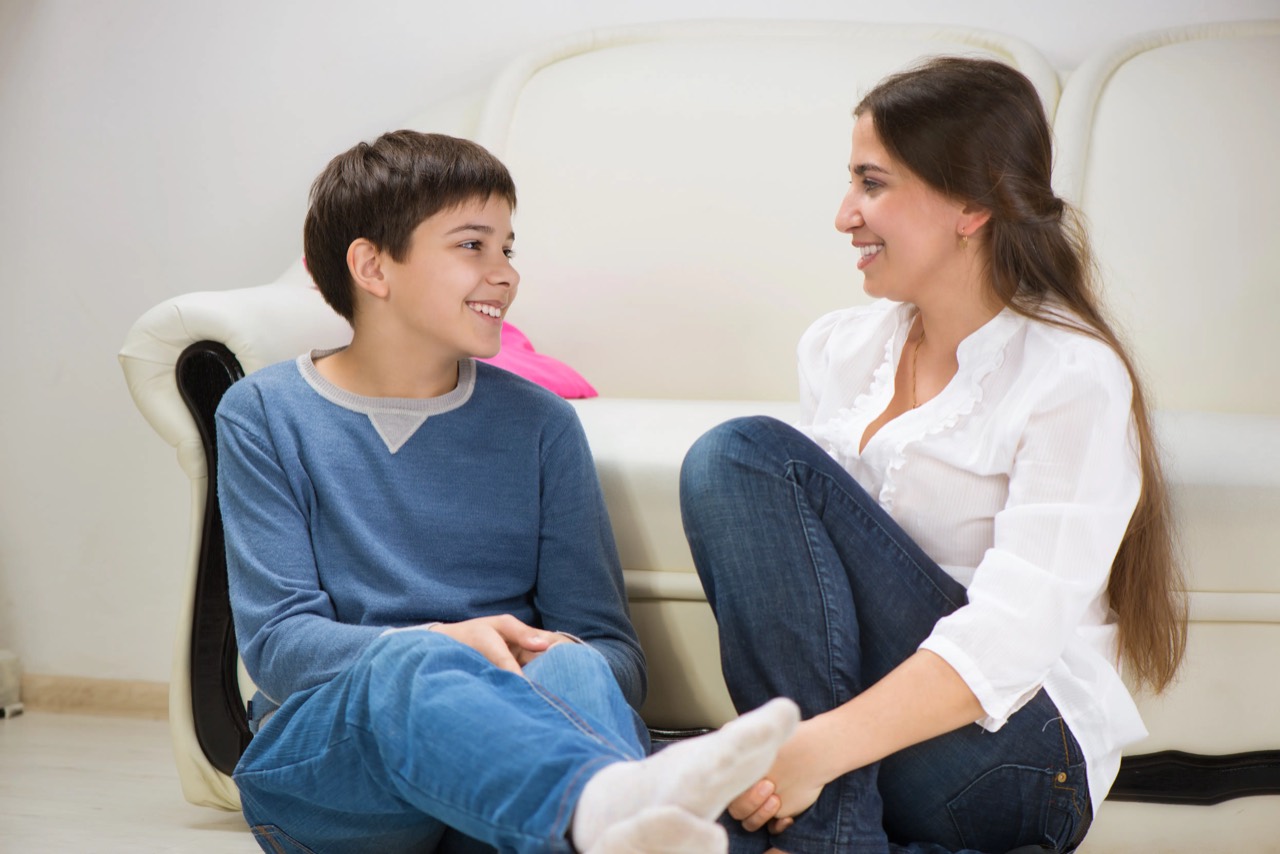
Start by listening to what happened and acknowledging how it felt. You do not have to agree that nobody likes your child to take their hurt seriously. Then, together, work out whether they need comfort, practical help, or support from another adult.
What can I say in the moment?
The Canadian Paediatric Society recommends listening to children and respecting their feelings, then helping them explore possible solutions without taking over.
For example, you might say:
“That sounds really lonely. I’m glad you told me. Do you want to tell me what happened?”
Or:
“Would you like me to listen, or would it help to think about what to do next?”
These are starting points, not a script you have to get right. If they are not ready to talk, leave the door open: “We can talk later. You don’t have to figure this out on your own.”
Try not to rush to “Of course people like you!” or “Just go and make friends.” Reassurance can come alongside understanding, rather than replacing it.
Find out what “nobody likes me” means to your child
A missed invitation, a disagreement with one friend, repeated exclusion, and feeling out of place in a busy group are different experiences. The same sentence may describe any of them. Ask gently rather than treating the conversation like an investigation.
- “Was there a particular moment that felt hard today?”
- “Has this happened before, or was today different?”
- “Is there anyone you feel comfortable spending time with?”
- “Is being on your own what you want sometimes, or are you wishing someone would join you?”
Wanting quiet time is not the same as feeling painfully left out. The aim is to understand your child’s experience, not to set a target number of friends.
If rejection keeps happening, the American Academy of Pediatrics suggests speaking with the teacher and gathering observations from adults who supervise lunch or recess. Ask what they notice and what support they can offer; a classroom snapshot may not show what happens elsewhere.
Could this be bullying?
Public Health Agency of Canada guidance describes bullying as harmful behaviour involving a power imbalance and repetition. It can include exclusion, rumours and online harassment—not just physical aggression.
A disagreement is not automatically bullying. Equally, a serious one-time incident still deserves attention; you do not need to wait for harm to repeat before asking for help.
If your child describes ongoing targeting, contact the school or the adults responsible for the setting. Share specific examples, ask how they will help keep your child safe, and agree on a follow-up. Involve your child in that conversation where possible, while making clear that keeping them safe is an adult responsibility.

Try one small, low-pressure step towards connection
Your child does not need a complete social makeover. Choose an idea together that feels manageable, rather than filling their calendar with opportunities they did not ask for.
- Start with something they enjoy. Building, drawing, board games or a shared interest can give a meet-up a focus beyond “go and talk.”
- Keep the first plan simple. Consider one familiar peer and a short activity, with a clear end time.
- Offer practice if they want it. You could try out an invitation, how to ask for a turn, or how to leave an uncomfortable interaction.
- Check how it felt. “Was any part enjoyable?” may open a different conversation from “Did you make a friend?”
These are options to adapt, not a checklist. AAP guidance on supporting friendships highlights parents’ role in offering help, modelling respectful relationships and staying involved as children grow.
Support belonging without asking your child to hide who they are
For an autistic child, friendship support should not mean forcing eye contact, hiding harmless movements, or ignoring sensory discomfort. The National Autistic Society’s guidance on masking explains why acceptance and appropriate adjustments matter.
For example, a quieter space, an activity with a clear structure, or time to recover after socialising may be worth discussing with your child. Ask what helps them feel comfortable rather than assuming.
Whether your child is autistic, has ADHD, experiences anxiety, or has no diagnosis, the question is not simply “What should they do differently?” Also ask, “Are the people and surroundings making room for them?” Skills they choose to practise can sit alongside respect for their boundaries and communication preferences.
When might counselling or a small group help?
Consider speaking with your child’s doctor or a qualified mental-health professional if distress continues, affects school, sleep, eating or activities, or simply leaves you concerned. Canadian Paediatric Society guidance notes that changes deserve attention but do not, by themselves, establish a mental-health condition.
Individual child or teen counselling offers one-to-one space to explore feelings, worries and relationships. A fit conversation can help you understand the approach, how your child would be involved, and what support could look like.
A small group offers a different format: supported time with peers and opportunities to practise communication, coping and connection. Calm Guidance’s in-person kids and teen groups in Burlington are organised by age and include structured activities and social time. No diagnosis is required; suitability still depends on each young person’s needs and comfort.
Neither option can promise a friendship or replace action on bullying. Your child’s preferences, goals and support needs should help guide the decision—not pressure to become more outgoing.
You do not have to work out the next step alone
If you are wondering whether individual support or a group might fit, ask Calm Guidance about a free 15-minute consultation. You can talk through the options without needing to arrive with a diagnosis or a plan already made.
If there is an urgent safety concern: take talk of suicide or self-harm seriously and seek help promptly. In Canada, call or text 9-8-8 for suicide crisis support, including if you are worried about someone else. Call 9-1-1 if there is immediate danger. Do not wait for a reply through a counselling enquiry form.
This article provides general information, not an assessment or individual treatment advice. A qualified professional can help you consider your child’s particular situation.

