Individual counselling, a small social group or a combination may be worth exploring for your child or teen. One-to-one sessions offer space for personal concerns and tailored support. A social group offers guided activities and time to connect with peers. The useful question is what each setting could add for your child’s goals, comfort and current needs.
The short answer
- Individual counselling: explore a specific concern privately with a clinician, at a pace shaped around your child.
- A small social group: practise communication, coping and friendship skills through activities with similarly aged peers.
- Both together: consider whether individual support and opportunities to practise with peers would serve distinct, useful goals.
Alicia personally reviews enquiries at Calm Guidance. You can ask her about individual counselling, a group or both before deciding what to book.
What happens in individual counselling?
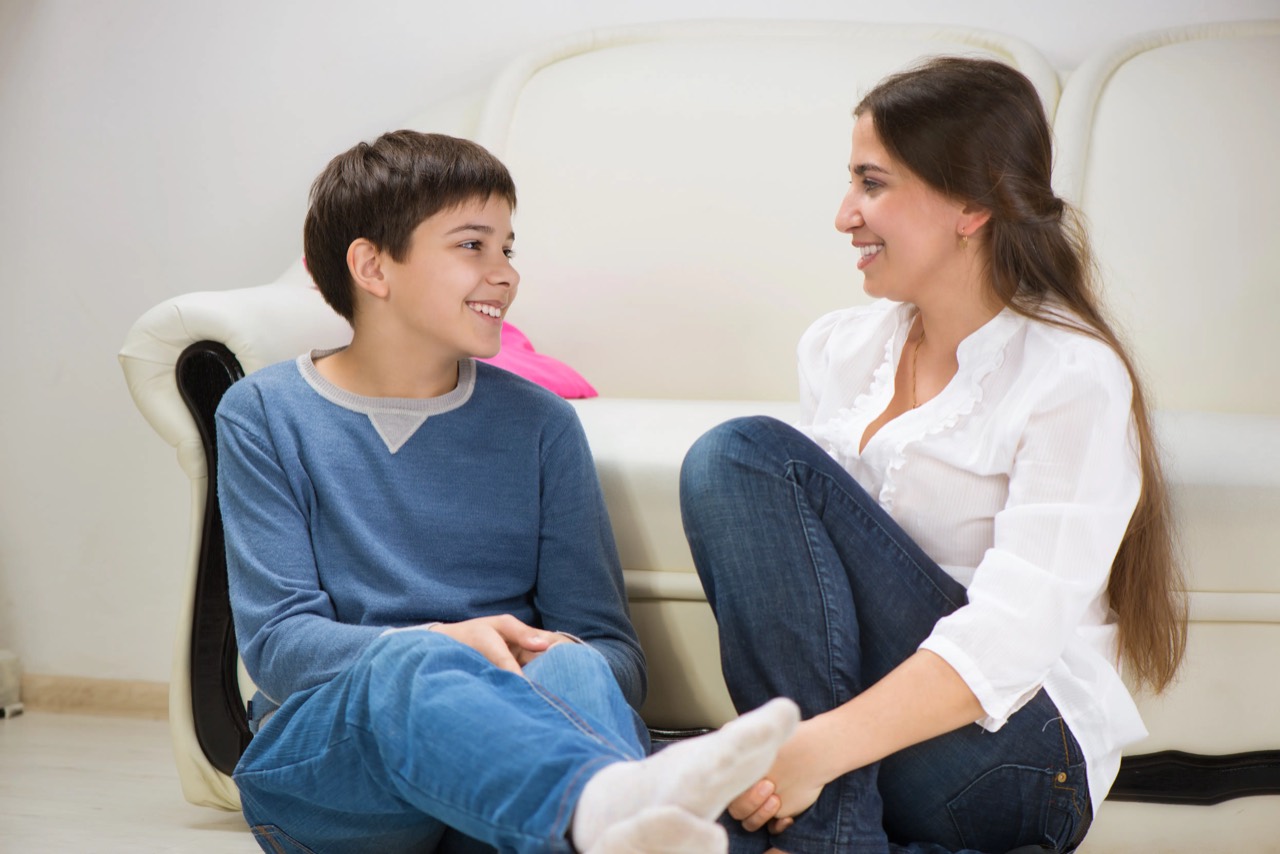
Your child or teen meets with a clinician one-to-one. Conversations and activities can focus on concerns such as anxiety, big emotions, school stress, friendships or a family change. Younger children may communicate through play or creative activities as well as talking. Ask how parents can be involved and how privacy will be explained to your child.
At Calm Guidance, Tosha offers individual child counselling from age 4. Her sessions are $150 for 60 minutes. The ages 4–5 social group is a separate service.
Explore individual child counselling or individual teen counselling to learn more about the options. The American Academy of Child and Adolescent Psychiatry’s overview explains why a child’s needs and developmental stage matter when planning psychotherapy.
What happens in a small social group?
A facilitator brings together similarly aged participants for structured activities and relaxed time with peers. At Calm Guidance, groups may combine learning about feelings, coping, communication or confidence with games, crafts, music, pizza or snacks, depending on the age group.
Children’s and teen groups are organized by ages 4–5, 6–8, 9–10, 11–13 and 14–18. There is also a separate young adult group for ages 19–25. A diagnosis is not required to ask about a group; suitability and availability are discussed before registration. Check the current group schedule and details for the next available series.
The social groups described here focus on connection and everyday skills. A social group and clinical group psychotherapy are not interchangeable terms; ask what the particular group covers and what support it can provide.

How can counselling and a group work together?
The two settings can offer different opportunities. Individual counselling makes room to explore personal worries and develop ways of responding. A suitable group provides opportunities to try communication, coping and connection skills alongside other young people.
An illustrative example: a child who wants friends but feels unsure how to join in could explore those worries with a clinician. A group could offer a supported setting to practise joining an activity or asking a peer a question. The child could then reflect on what felt comfortable or difficult in an individual session.
This is an example to discuss, not a recommendation for every child. Ask what each service would contribute, what pace feels manageable and when to review whether the arrangement is helping.
What should we discuss before choosing?
Bring a few observations about everyday life and your child’s own preferences. These questions can help make the conversation practical:
- What would we like to feel easier? For example, managing worries, speaking up, joining activities or feeling more connected.
- What does my child want help with? Their interests and comfort with different settings matter alongside a parent’s concerns.
- What could each service add? If considering both, ask about the purpose of individual appointments and the purpose of the group.
- What support would help my child participate? Discuss communication, sensory or other needs, and ask what the group can accommodate.
- What can our family manage? Talk about appointment frequency, travel, school commitments, the total cost and how progress will be reviewed.
For more questions about group size, activities and suitability, see our parent guide to choosing a social group.
What does each option cost?
- Individual child counselling with Tosha: $150 for a 60-minute appointment.
- Social groups: $100 per class. A four-class series totals $400.
- If using both: at those rates, one individual appointment plus one group class totals $250. The overall cost depends on the number of appointments and group classes agreed.
Discuss the frequency and full cost before booking. If you plan to use extended health benefits, check the provider type and service with your insurer; coverage depends on your plan.
Questions parents often bring
Does my child have to start both at the same time?
No. You can discuss individual counselling, a group or a combination. One option may be a starting point, with the other considered later if it would meet an additional need. The timing should make sense for your child and your family.
What if my child is nervous about joining a group?
Share that concern before registering. Ask what the first session looks like, what participation involves and how the facilitator supports a hesitant child. Being nervous is a reason to discuss fit and support, rather than deciding from a poster alone.
How will parents be involved?
Ask the clinician how parent input, updates and support at home will work, and how your child’s privacy will be handled. For a group, ask separately about arrival, pickup and any parent communication. The arrangements may differ between the two services.
What if my child already has a counsellor?
Mention the existing support when you enquire. Ask whether a group would add something useful to the current plan and discuss it with your child’s clinician. You do not need to assume that starting a group means changing counsellors.
Talk with Alicia about counselling, a group or both
You do not need to arrive with the answer. Alicia reviews enquiries personally, and Calm Guidance offers a free 15-minute consultation to explore the options for your child or teen.
Tell us your child’s age, whether you are interested in counselling, groups or both, and the best way to contact you. Keep sensitive medical details out of the initial message; these can be discussed during a conversation.
Ask about counselling, groups or both
Appointments and groups take place in Burlington. See our contact page for current location details, or browse the current group schedule and details.
Further reading
For general information about psychotherapy, see CAMH’s psychotherapy overview and AACAP’s guide for parents. These sources provide background about psychotherapy; Calm Guidance’s own service pages describe its social groups and current offerings.
This article provides general information. An individual conversation with a qualified clinician is needed to determine appropriate support for a particular child.
If someone is in immediate danger, call 911. In Canada, the 9-8-8 Suicide Crisis Helpline offers support by phone and text: call 988 or text 988.

